Common Sewing Machine Issues: How to Avoid Buying Errors
As an avid sewing enthusiast, I've encountered countless challenges with sewing machines over the years. Each machine I tried had its quirks, and understanding these common issues can save you from costly mistakes. In this guide, I aim to share my experiences and insights into the frequent pitfalls when purchasing a sewing machine, empowering you to make informed decisions that enhance your sewing journey.
Sommaire
1Common Mistakes Everyone Makes When Buying a Sewing Machine
Purchasing a sewing machine can be daunting, especially for beginners. One prevalent mistake is opting for a machine based solely on aesthetic appeal or brand popularity without understanding its functionality. For example, a fancy, brightly coloured machine might catch your eye, but if it lacks versatile features, it won’t serve you well in the long run.
Another common error involves underestimating the importance of thread compatibility. Many buyers assume that all threads are standard; however, using the wrong type can lead to tension issues and failed stitches.
In addition, new sewers often overlook the necessity for an easy-to-use manual and support system. If you encounter problems or have questions, a machine from a brand with a reliable customer service response can significantly ease your experience. Finally, failing to test the machine adequately before purchasing can lead to regret, as many machines have specific quirks that might not be apparent until you start sewing.
By being mindful of these factors, you can increase your chances of finding a machine that truly meets your needs.
2Misleading Criteria That Can Lead to Money Loss
Many consumers are misled by marketing strategies that highlight superficial features rather than essential functionality. For instance, numerous brands advertise enhanced stitch options, but often these stitches are rarely used by average home sewers. Instead of focusing on decorative stitches, consider machines that offer robust straight stitching capability and adjustable tension systems that provide greater control.
Additionally, the notion of 'heavy-duty' can be misleading. A machine advertised as heavy-duty may still struggle with thicker fabrics if it lacks the right motor power or feed dogs. Look beyond the buzzwords and focus on the machine's capability with materials you plan to use, such as denim or multiple layers of cotton.
Warranty period and authority of service centres should also be crucial considerations. Some machines come with impressive warranty periods, but these can be worthless if the brand has limited support or parts availability. Always check reviews and testimonials to ensure you are not falling for shiny marketing.
3Essential Criteria to Consider When Buying a Sewing Machine
When selecting a sewing machine, focus on critical features that will enhance your sewing experience. Firstly, assess the machine's versatility. A good sewing machine should handle a variety of fabrics, from lightweight materials to heavier textiles like denim. Features such as adjustable foot pressure and multiple pressure foot options can be invaluable in this regard.
Another significant factor is ease of use. Machines equipped with intuitive control panels, automatic thread cutting, and one-step buttonhole features can drastically reduce the learning curve for beginners and enhance efficiency for experienced users.
User reviews are essential in this decision-making process. Look for feedback on long-term reliability; a machine that performs well initially but fails after a few months is not a wise investment.
Lastly, don't overlook the importance of accessories. Machines that come with various presser feet, walking feet, or quilting feet can save you additional expenses and streamline your sewing projects.
4Our Verified Selection of Sewing Machines
Cheap Sale 8 Bit Retro Mini 400 Games Preinsided Retro FC Sup Game Machine 3.0 Inch Portable Classic Game Console For Sale
Alibaba UK
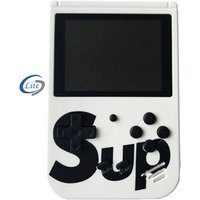
This compact retro console features 400 pre-installed games, perfect for nostalgic fun. Though not a sewing machine, it represents how technology can bring enjoyment to your leisure time. Ideal for those well-versed in sewing who occasionally need a break.
Points forts
- Compact size for portability
- Variety of games for entertainment
- Easy to use with simple controls
Points faibles
- Limited functionality compared to modern consoles
- Not focused on sewing-related tasks
(Tulip Red) DYLON Washing Machine Fabric Dye Pod
onbuy.com

These Dylon fabric dye pods allow you to refresh your sewing creations. They are perfect for those looking to experiment with colours in their projects. They provide an easy and mess-free way to enhance fabrics before sewing.
Points forts
- User-friendly fabric dyeing
- Wide range of colours
- Perfect for customising fabric for sewing projects
Points faibles
- Requires a washing machine
- Colour results may vary depending on fabric
Haden Washing Machine, 9 kg Load, 1400 RPM Spin Speed
onbuy.com

This reliable washing machine is an excellent support for any sewer, ensuring that your fabrics are cleaned efficiently between projects. Its significant load and energy-efficient performance make it a sustainable choice for busy households.
Points forts
- Generous 9 kg load capacity
- High spinning speed for quick drying
- Energy-efficient
Points faibles
- Requires a fair amount of space
- May be more expensive compared to basic models

Typecat mini washing machine Portable Washing Machines Travel Home Mini Washing Machine
onbuy.com

mini washing machine Portable Washing Machines Travel Home Mini Washing Machine for Socks Underwear Laundry Household Washing Machine,C
Theo Klein 9213 Bosch Toy Washing Machine
onbuy.com

Theo Klein 9213 Bosch Toy Washing Machine
5Checklist Before Purchase
- [ ] Assess your sewing requirements.
- [ ] Research user reviews for the machine's long-term reliability.
- [ ] Test the machine's features in-store if possible.
- [ ] Check warranty and after-sales support.
- [ ] Compare multiple models to ensure value for money.
- [ ] Verify the ease of obtaining replacement parts.
- [ ] Ensure the machine fits your comfort and ease of use.
- [ ] Confirm that it meets the fabric types you intend to use.
6Common FAQs Regarding Sewing Machines
Q1: How often should I maintain my sewing machine?
A1: Regular maintenance, including cleaning, lubricating, and servicing, should be performed at least every 6 months, depending on usage.Q2: What features are most essential for a beginner?
A2: For beginners, look for straightforward stitch options, easy threading, an automatic needle threader, and a clear user manual.Q3: Can I use heavy fabrics on my sewing machine?
A3: Yes, however, ensure your machine is rated for heavy-duty usage and that you have the right presser foot for the fabric type.Q4: How do I troubleshoot if my stitches are skipping?
A4: Check the needle, ensure it is correctly installed, replace it if it’s damaged, and verify that you're using the correct thread for the needle size.Conclusion
By being aware of the common issues and the mistakes often made when purchasing sewing machines, you can choose wisely and ensure your sewing projects are enjoyable rather than frustrating. Remember to review your checklist before making a purchase. For more advice or to share your experiences, feel free to reach out or explore the recommended machines below that can meet your needs.